
Palawan, the Philippines: The Most Beautiful Island in the World
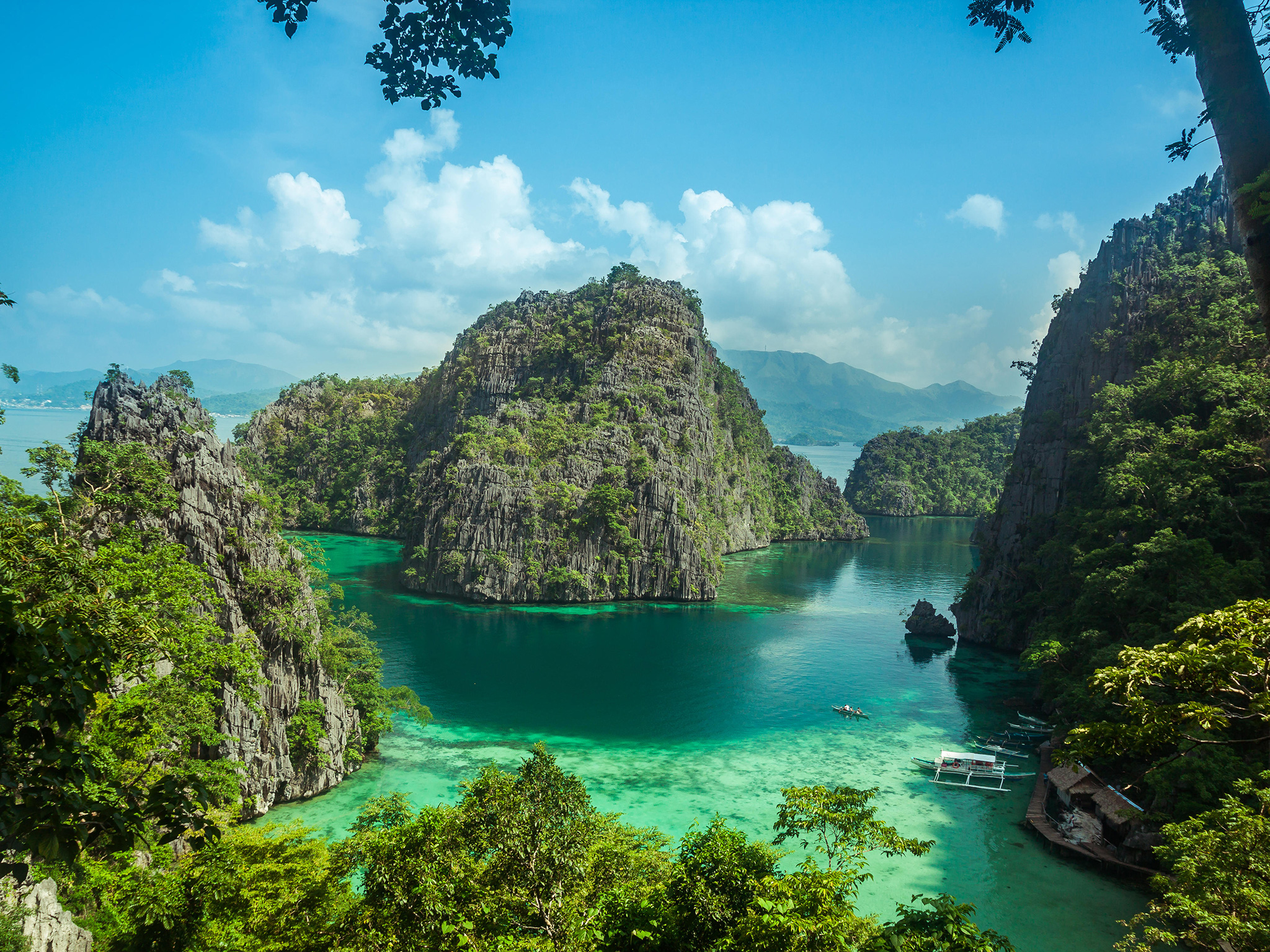
Palawan is the largest island of the province of Palawan in the Philippines and the fifth largest island of the country. The north west coast of the island is along the South China Sea, while the south east coast forms part of the northern limit of the Sulu Sea.[4] Much of the island remains traditional and is considered by some as under-developed. Abundant wildlife, jungle mountains, and some white sandy beaches attract many tourists, as well as international companies looking for development opportunities.[5]
As of 2016, the main island of Palawan is rated the “Most Beautiful Island in the World” as voted by respective readers of rival travel publications Conde Nast Traveller and Travel + Leisure.[6][7] It is the second year running that Palawan has won the Conde Nast Traveller award, as well as the second time in four years that it has occupied Travel + Leisure’s top spot (2013).[8][9] El Nido, located at the northern tip of the island, is also currently rated the “Most Beautiful Beach in the World” by Conde Nast Traveller readers.[10]In 2007, National Geographic Traveler magazine rated Palawan the best island destination in East and Southeast Asia region, having “incredibly beautiful natural seascapes and landscapes. One of the most biodiverse (terrestrial and marine) islands in the Philippines. The island has had a Biosphere Reserve status since early 1990s, showing local interest for conservation and sustainable development”.[11]
1 city and 12 out of the 23 municipalities of the Province of Palawan are on this island. Iwahig Prison and Penal Farm, one of seven operating units of the Bureau of Corrections, is located on the island.
Hinatuan Enchanted River
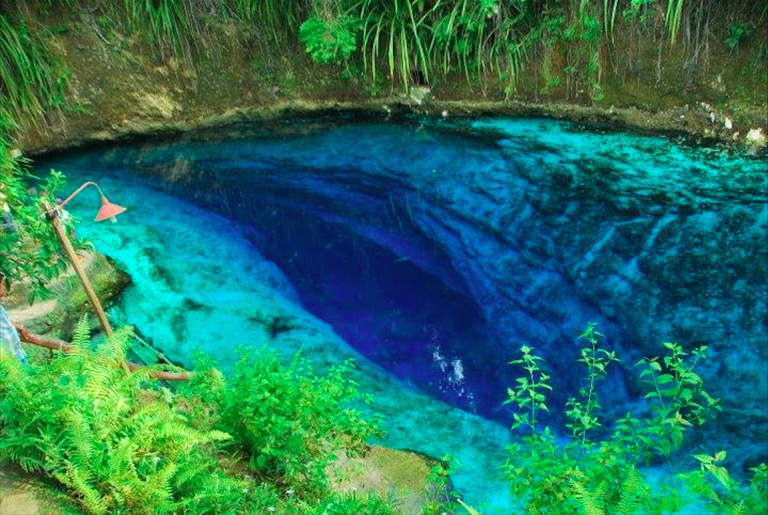
Hinatuan Enchanted River
The Hinatuan Enchanted River, also called the Hinatuan Sacred River, is a deep spring river on the island of Mindanao in the Philippines. It flows into the Philippine Sea and the Pacific Ocean at Barangay Talisay, Hinatuan, Surigao del Sur. It is found between the boundaries of Barangays of Talisay and Cambatong. It earned the moniker “enchanted river” from the diplomat Modesto Farolan who described the river in his poem entitled “Rio Encantado”.
This deep spring river in the province of Surigao del Sur takes its name from the mystical qualities locals believe surround the body of water. With its enchanting shades of deep blues and greens, the river is locally believed to be guarded by fairies and other nature spirits known as engkanto. Contributing to its mystical nature is the unexplained source of its clear saltwater.
KALANGGAMAN ISLAND: A PARADISE DISCOVERED
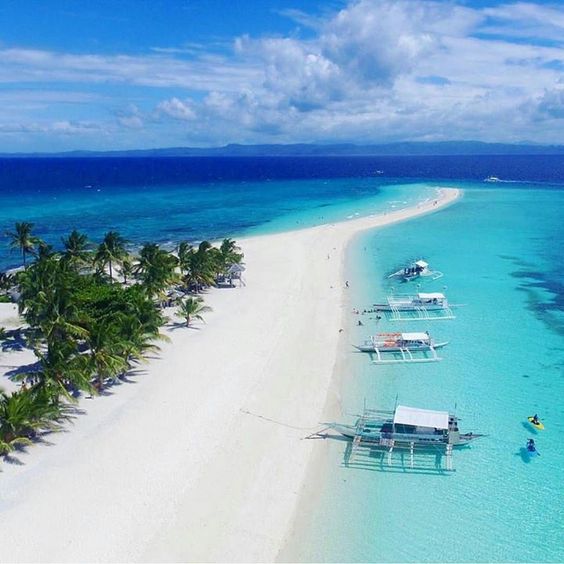
Calanggaman Island ( a.k.a Kalanggaman Island ) is a pristine dream beach destination in the Visayas; exactly located in the municipality of Palompon and the province of Leyte. It is famous for its stretches of white powdery sand beaches and its crystal clear blue waters that stretch along both sides of this island. Calanggaman Island has a length of only 753m and is uninhabitated.
Kalanggaman Island, also known as Calangaman, is a pristine islet in the Philippines with gorgeous white-sand beaches and crystal clear turquoise water. It’s nearly impossible to put into words how incredibly beautiful this speck of land is. It left me absolutely speechless.
Palaui Island, Cagayan
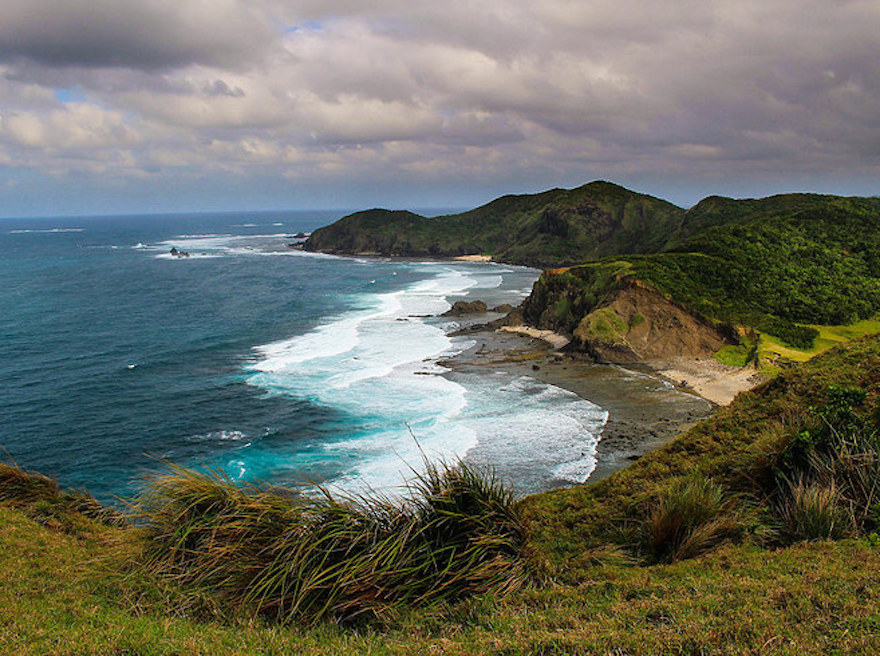
Palaui Island, Cagayan
Escape reality on this remote island, located on the far northwest of the Philippines. Here you will find 21 commercial species of fish, and masses of gorgeous undisturbed coral. There are grasslands, forests, waterfalls and antique lighthouses to explore, plus so much more.
Rice Terraces of the Philippine Cordilleras
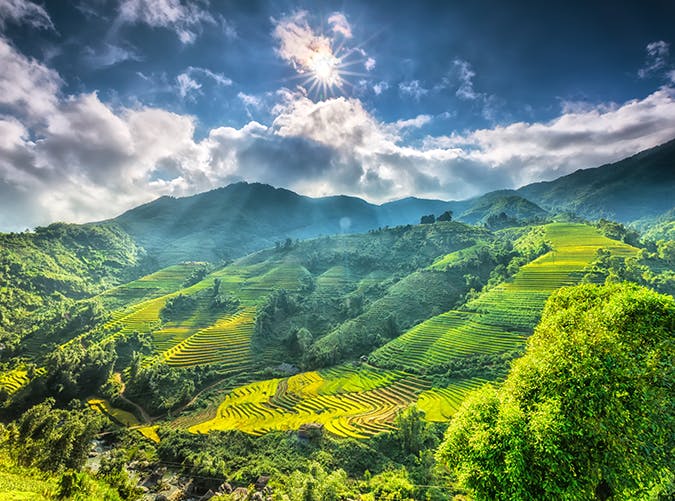
The Banaue Rice Terraces (Filipino: Hagdan-hagdang Palayan ng Banawe) are terraces that were carved into the mountains of Ifugao in the Philippines by the ancestors of the indigenous people. The terraces are occasionally called the “Eighth Wonder of the World“.[1][2][3] It is commonly thought that the terraces were built with minimal equipment, largely by hand.[citation needed] The terraces are located approximately 1,500 metres (4,900 feet) above sea level. These are fed by an ancient irrigation system from the rainforests above the terraces. It is said that if the steps were put end to end, it would encircle half of the globe.[4]
Locals up to this day still plant rice and vegetables on the terraces, although more and more younger Ifugaos do not find farming appealing[citation needed], often opting for the more lucrative hospitality industry generated by the terraces.[5] The result is the gradual erosion of the characteristic “steps”, which require constant reconstruction and care. In 2010, a further problem encountered was drought, with the terraces drying up completely in March of that year.[6]
The age of the terraces are believed by many to be over a 2,000 years old as postulated by anthropologist Otley Beyer. Several researchers however dispute this and contend that the terraces were built much later.[7][8] There are also giant Earthworms (“Olang” in Ifugao) of the genus Pheretima or Polypheretima elongata which are supposed to destroy the terraces,[9] as well as rodents of the genus Chrotomis mindorensis, and snails.
 Lorraine's blog